Gemstone Windows and Dark Patches: What to Look for in a Cut Gem

Image
AI-generated educational illustration. Conceptual only; not a photograph of an actual specimen or location. A coloured gem may have a pale, see-through centre or areas that look almost black. Both affect its appearance, but they do not have the same cause. What is a window? A window is an area where light passes through the gem instead of being returned towards the viewer. You may see the background through it, especially near the centre. Cutting angles and the material's refractive index—how it bends light—help determine whether this happens. There is no single ideal depth for every gemstone. Why dark patches need a closer look Darkness can have several causes. The material may absorb a lot of light. Some facets may reflect dark surroundings or the observer. Extinction is another cause, involving light that is not returned to the viewer after internal reflection. For that reason, calling every black patch “extinction” can be misleading. A simple viewing routine Look at the gem fac...

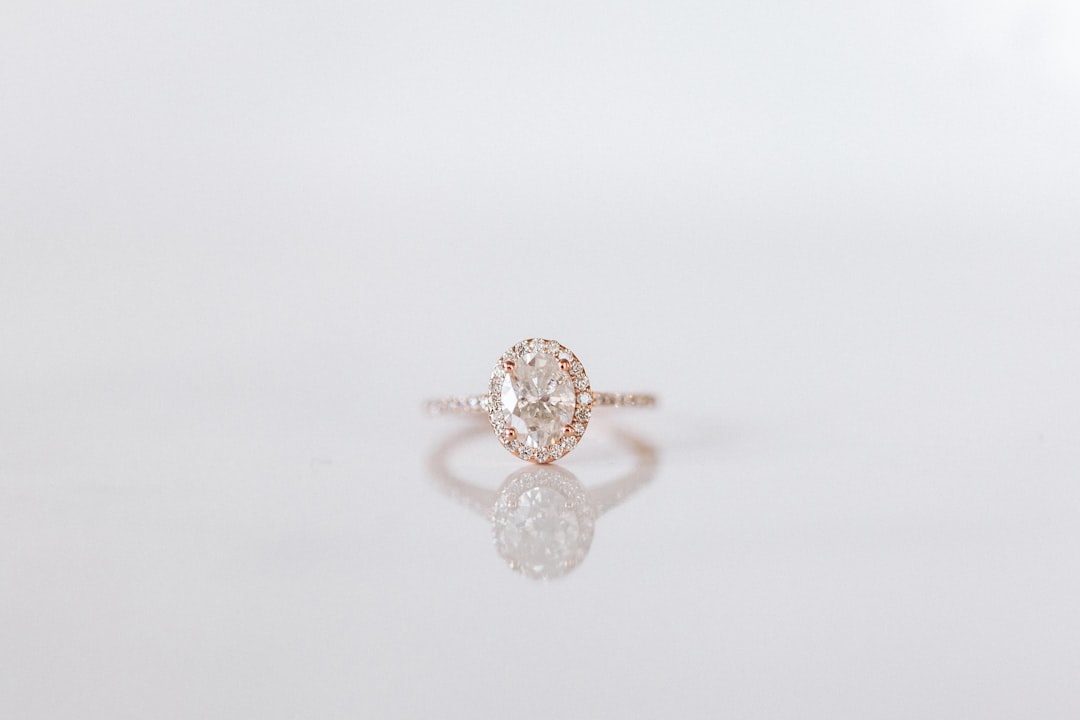
Diamond Information

 Diamond Information

History of Diamonds

Diamonds have been treasured throughout history for their beauty and value. The first diamonds were discovered in India over 2,000 years ago, and were used for religious purposes and as decorations for rulers. Today, diamonds are mined all over the world and are used for jewelry and industrial purposes.

Myths About Diamonds

There are many myths and legends surrounding diamonds. Some people believe that diamonds have magical powers, while others believe that they can bring bad luck. One popular myth is that diamonds are indestructible, but in reality they can be chipped or cracked if they are hit hard enough.

Birthstones

Diamonds are the birthstone for April. They are also traditionally given as gifts for 60th wedding anniversaries.

High ending Diamond Sapphire Jewelry


Color

The color of a diamond can range from colorless to yellow or brown. The most valuable diamonds are colorless, and are graded on a scale from D (colorless) to Z (light yellow or brown).

Color Grading

Diamonds are graded for color on a scale from D (colorless) to Z (light yellow or brown). The color grading is done by comparing the diamond to a set of master stones under controlled lighting conditions.

Clarity Grading

Diamonds are graded for clarity based on the number, size, and location of inclusions (internal flaws) and blemishes (external flaws). The clarity grading scale ranges from Flawless (no inclusions or blemishes visible under 10x magnification) to Included (inclusions and/or blemishes visible to the naked eye).

Cut Grading

The cut of a diamond refers to its proportions, symmetry, and polish, which affect its ability to reflect light and create sparkle. Diamonds are graded for cut on a scale from Excellent to Poor.

Uses

Diamonds are used in many ways, including:

  • Jewelry
  • Industrial
  • Cutting and polishing other gems
  • Scientific and medical research
  • Electronics

When buying a diamond, it's important to consider all of these factors to ensure you get a stone that meets your needs and budget.

Diamond

Comments

Popular posts from this blog

Introduction quiz

Gemology MCQ Quiz Part 6: Test Your Gemstone Knowledge

Gemology MCQs Part-3