Gemstone Windows and Dark Patches: What to Look for in a Cut Gem

Image
AI-generated educational illustration. Conceptual only; not a photograph of an actual specimen or location. A coloured gem may have a pale, see-through centre or areas that look almost black. Both affect its appearance, but they do not have the same cause. What is a window? A window is an area where light passes through the gem instead of being returned towards the viewer. You may see the background through it, especially near the centre. Cutting angles and the material's refractive index—how it bends light—help determine whether this happens. There is no single ideal depth for every gemstone. Why dark patches need a closer look Darkness can have several causes. The material may absorb a lot of light. Some facets may reflect dark surroundings or the observer. Extinction is another cause, involving light that is not returned to the viewer after internal reflection. For that reason, calling every black patch “extinction” can be misleading. A simple viewing routine Look at the gem fac...

Inclusions in Natural opal

Opal is a hydrated amorphous form of silica (SiO2·nH2O); its water content may range from 3 to 21% by weight but is usually between 6 and 10%. Because of its amorphous character, it is classed as a mineraloid, unlike crystalline forms of silica, which are classed as minerals.
Natural opal inclusion study, slide 1

Natural opal inclusion study, slide 2

Natural opal inclusion study, slide 3

inclusions in wood opal
inclusions in wood opal 

Natural opal inclusion study, slide 5

Iron sulfide in opal


Natural opal inclusion study, slide 7

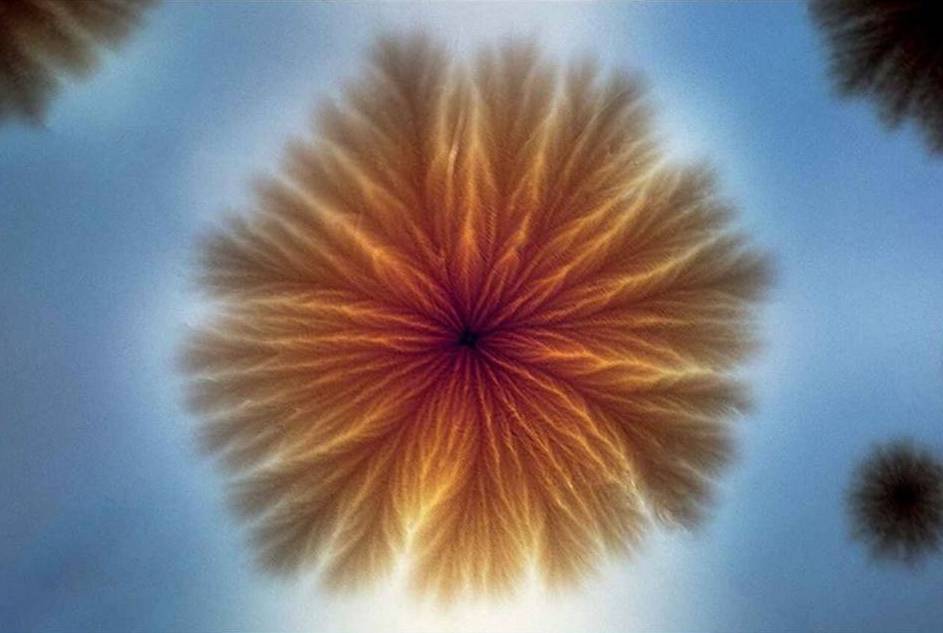
fern like a holographic play of colour patterns in opal
fern like a holographic play of colour patterns in opal 

Natural opal inclusion study, slide 9

pyrite inclusions in opal


Natural opal inclusion study, slide 11

Iron oxide in opal
Iron oxide in opal

Natural opal inclusion study, slide 13

opal from USA
opal from USA

Natural opal inclusion study, slide 15

Clay mineral along with pyrite in opal

Natural opal inclusion study, slide 17

Play of colour in opal
Play of colour in opal 

Natural opal inclusion study, slide 19

Manganese oxide flower in opal
Manganese oxide flower in opal 


Natural opal inclusion study, slide 21

Iron oxide in opal
Iron oxide in opal

Natural opal inclusion study, slide 23

Chalcedony along with amphibole needles in opal
Chalcedony along with amphibole needles in opal 

Natural opal inclusion study, slide 25

Green opal
Green opal

Natural opal inclusion study, slide 27

Manganese oxide in opal
Manganese oxide in opal 

Natural opal inclusion study, slide 29

Manganese oxide in opal
Manganese oxide in opal 

Natural opal inclusion study, slide 31

fluorite inclusions in opal
fluorite inclusions in opal 

Natural opal inclusion study, slide 33

opal from Ethiopia
opal from Ethiopia 

Natural opal inclusion study, slide 35

wood in opal
wood in opal 

Natural opal inclusion study, slide 37

Agate like banding pattern in opal
Agate like banding pattern in opal 

Natural opal inclusion study, slide 39

Leopard opal
Leopard opal 

Natural opal inclusion study, slide 41

Conk opal
Conk opal 

Natural opal inclusion study, slide 43


The same slides are in the form of video uploaded on youtube. 

Comments

Popular posts from this blog

Introduction quiz

Gemology MCQ Quiz Part 6: Test Your Gemstone Knowledge

Gemology MCQs Part-3